
The quiet strength of purpose in uncertain seasons.

One of the greatest myths of leadership is the belief that peace comes after certainty.
It doesn't.
Many leaders postpone important decisions because they're waiting for complete clarity. They tell themselves, "Once I know exactly what's going to happen, then I'll finally have peace."
But leadership rarely works that way.
Just as people flourish where they feel psychologically safe, leaders flourish when they cultivate internal peace—even when external circumstances remain uncertain.
Every day, I have the privilege of walking alongside leaders, parents, entrepreneurs, couples, and organizations navigating seasons of uncertainty.
Some are making decisions that will impact their teams.
Others are wondering how best to support a struggling child.
Some are stepping into new opportunities without knowing how everything will unfold.
Others are asking difficult questions about the future of their marriage and whether healing is still possible.
The circumstances are different, but the internal dialogue is remarkably similar:
"If I could just know how this is all going to turn out, then I could have peace."
Yet peace doesn't come from having every answer.
Peace comes from something much deeper.
It comes from knowing who you are.
It comes from living in alignment with your values.
It comes from stewarding the gifts God has entrusted to you with faithfulness.
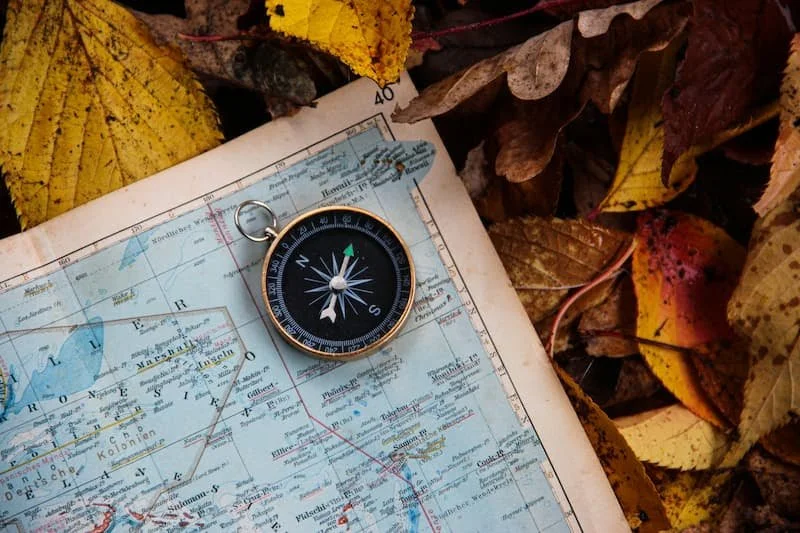
When your purpose is clear, uncertainty begins to lose much of its power.
You don't have to know every step before taking the next faithful one.
One of the greatest leadership lessons I've learned is that stability is an inside job. External circumstances will continue to change. Markets shift. Relationships experience seasons. Organizations evolve. Health challenges arise. Doors open and close.
Yet when your identity is rooted in your purpose instead of your position, and your decisions consistently reflect your deepest values, uncertainty no longer has the authority to dictate your emotional state.
As leaders, we often confuse certainty with confidence.
They're not the same.
Leadership Takeaway
Certainty is knowing what will happen.
Confidence is trusting that you'll faithfully respond to whatever happens.
That kind of confidence isn't built by controlling the future. It's cultivated through daily faithfulness—making values-driven decisions, nurturing healthy relationships, and taking the next right step, even when the entire path isn't visible.
Internal peace grows when your faith, values, purpose, relationships, and daily decisions begin moving in the same direction.
Alignment doesn't remove uncertainty.
It gives you stability in the midst of it.
That's where resilient leadership begins.
It doesn't eliminate fear, it simply means fear no longer has the final word.
This Week's Leadership Challenge
As you reflect this week, consider these questions:
Am I waiting for certainty before taking the next faithful step?
Is my identity tied to a particular outcome, or is it rooted in my purpose?
What decision would I make today if I trusted that peace and uncertainty could coexist?
Where is my life already aligned, even though my future remains unwritten?
Purpose-Driven Insight™
Peace is not the reward for certainty.
Peace is the fruit of alignment.
