
Mind-Body Connection: Why Your Mental Health Matters for Your Physical Health

Introduction
In today’s fast-paced world, it’s easy to compartmentalize our experiences, separating our mental struggles from our physical health. However, the mind and body are intricately connected. Mental health issues such as anxiety, depression, and chronic stress don't just exist in our minds; they often manifest physically.
In this blog, we will explore how mental health challenges impact the body, provide real-life examples, share unique challenges faced by BIPOC communities, and offer actionable steps to nurture both mental and physical wellness.
How Mental Health Issues Can Cause Physical Ailments
Mental health struggles don’t just stay in the mind; they can impact every system of the body. Anxiety can lead to rapid heart rate, chest pain, and digestive issues. Chronic stress activates the body's "fight-or-flight" response, flooding the system with cortisol and adrenaline. While helpful in short bursts, prolonged exposure can wreak havoc. Depression might show up as chronic fatigue, unexplained aches, or sleep disturbances. Even something as seemingly small as prolonged sadness can reduce motivation for physical activity, creating a cycle of worsening health.
Some common physical symptoms related to mental health challenges include:
Headaches or migraines
Gastrointestinal problems (IBS, nausea, bloating)
Chronic muscle tension or pain
Sleep disruptions (insomnia or excessive sleep)
Changes in appetite or weight
Cardiovascular strain (e.g., high blood pressure)
Without addressing the underlying emotional causes, individuals can find themselves stuck in a cycle where their physical health deteriorates, further impacting their mental well-being.
Awareness Through Statistics
The data is staggering:
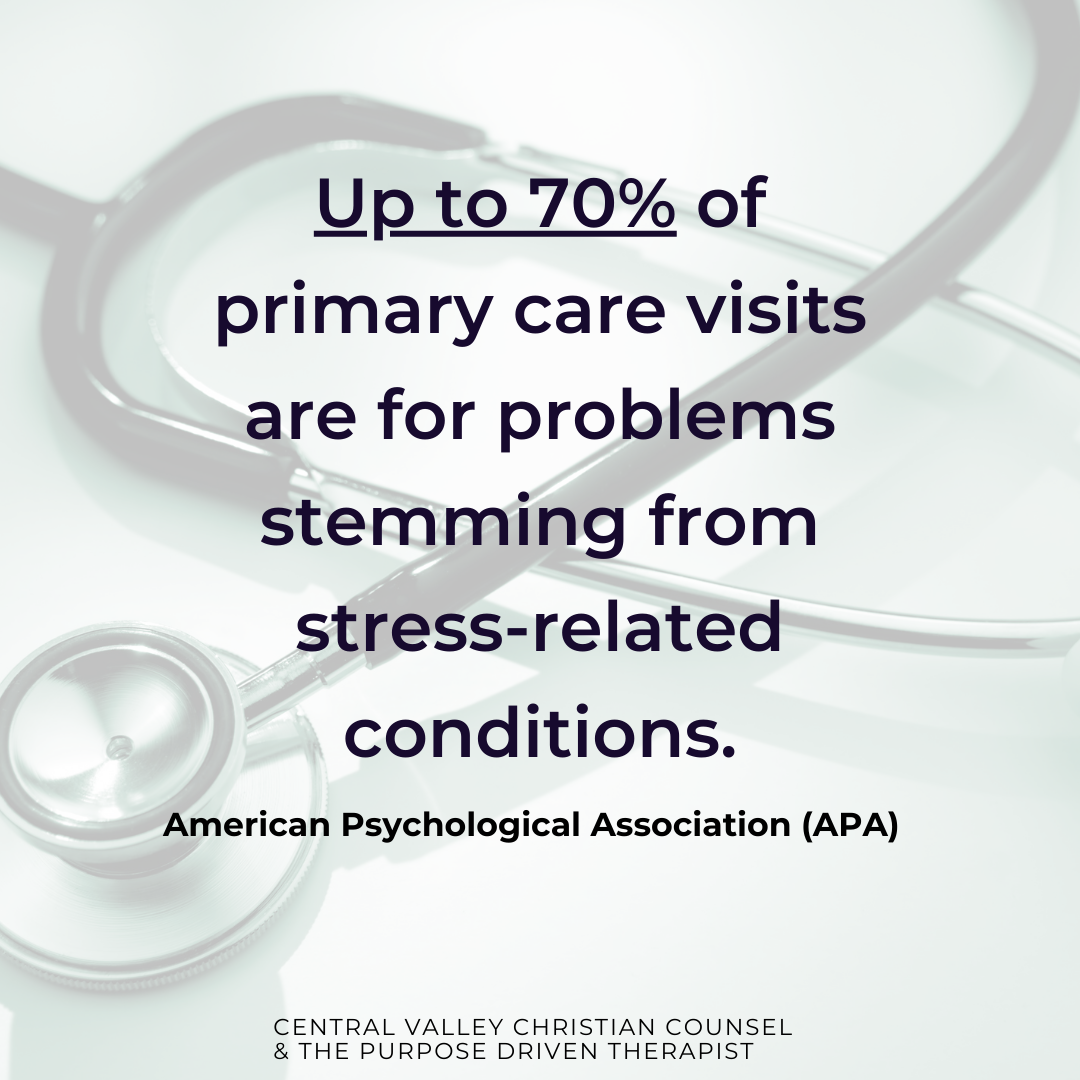
According to the American Psychological Association (APA), up to 70% of primary care visits are for problems stemming from stress-related conditions.
According to the National Alliance on Mental Illness (NAMI), individuals with serious mental illness face an increased risk of developing chronic medical conditions. They die, on average, 10 to 25 years earlier than the general population, largely due to preventable physical diseases.
The National Institute of Mental Health (NIMH) reports that individuals with depression are at a higher risk for chronic conditions such as cardiovascular disease and diabetes.
People with anxiety disorders are more likely to experience gastrointestinal issues like IBS.
The American Psychological Association (APA) notes that chronic stress is linked to the six leading causes of death: heart disease, cancer, lung ailments, accidents, cirrhosis of the liver, and suicide.
A 2019 study published in The Lancet Psychiatry found that individuals diagnosed with depression had a 40% higher risk of developing cardiovascular and metabolic diseases compared to those without depression.
These numbers highlight the profound effect mental health has on physical health and the urgent need for integrative approaches to care.

Real-Life Examples of Physical Manifestations
The link between mental and physical health isn’t just theoretical—it plays out in the lives of real people every day. Consider the following examples:
Maria, a high-achieving professional in her early 30s, began suffering from debilitating migraines that disrupted both her work and social life. Despite consultations with multiple specialists and exhaustive testing, no physical cause was found. It wasn’t until Maria started therapy that she uncovered the root of her symptoms: chronic workplace stress and perfectionism. As she learned to set boundaries and practice mindfulness, her migraines became less frequent and less intense.
David, a college student adjusting to life away from home, experienced persistent stomach pain and digestive issues. Initial medical investigations pointed to food allergies or gastrointestinal conditions, but test results came back inconclusive. Referred to a counselor, David discovered that academic pressure and social isolation were triggering deep-seated anxiety. Through therapy, relaxation techniques, and emotional support, his physical symptoms began to subside.
Dominique, a full-time caregiver for her aging parents, battled chronic back pain and frequent colds. She never suspected her physical ailments were tied to her emotional state. Therapy revealed that the unrelenting stress of caregiving—compounded by guilt and unexpressed resentment—was taking a toll on her body. With the help of community support and self-compassion practices, Dominique not only found relief from her symptoms but also regained a sense of emotional balance.
These stories illustrate a powerful truth: when emotional needs go unaddressed, the body often steps in to signal distress. Tending to mental health is not just beneficial—it’s often essential for physical healing.
The Unique Physical and Mental Health Challenges Faced by BIPOC Communities
BIPOC (Black, Indigenous, and People of Color) communities experience unique stressors that have a tangible impact on both mental and physical health. The cumulative effect of racism, microaggressions, systemic inequities, and limited access to culturally competent care creates a heavy burden known as "weathering."
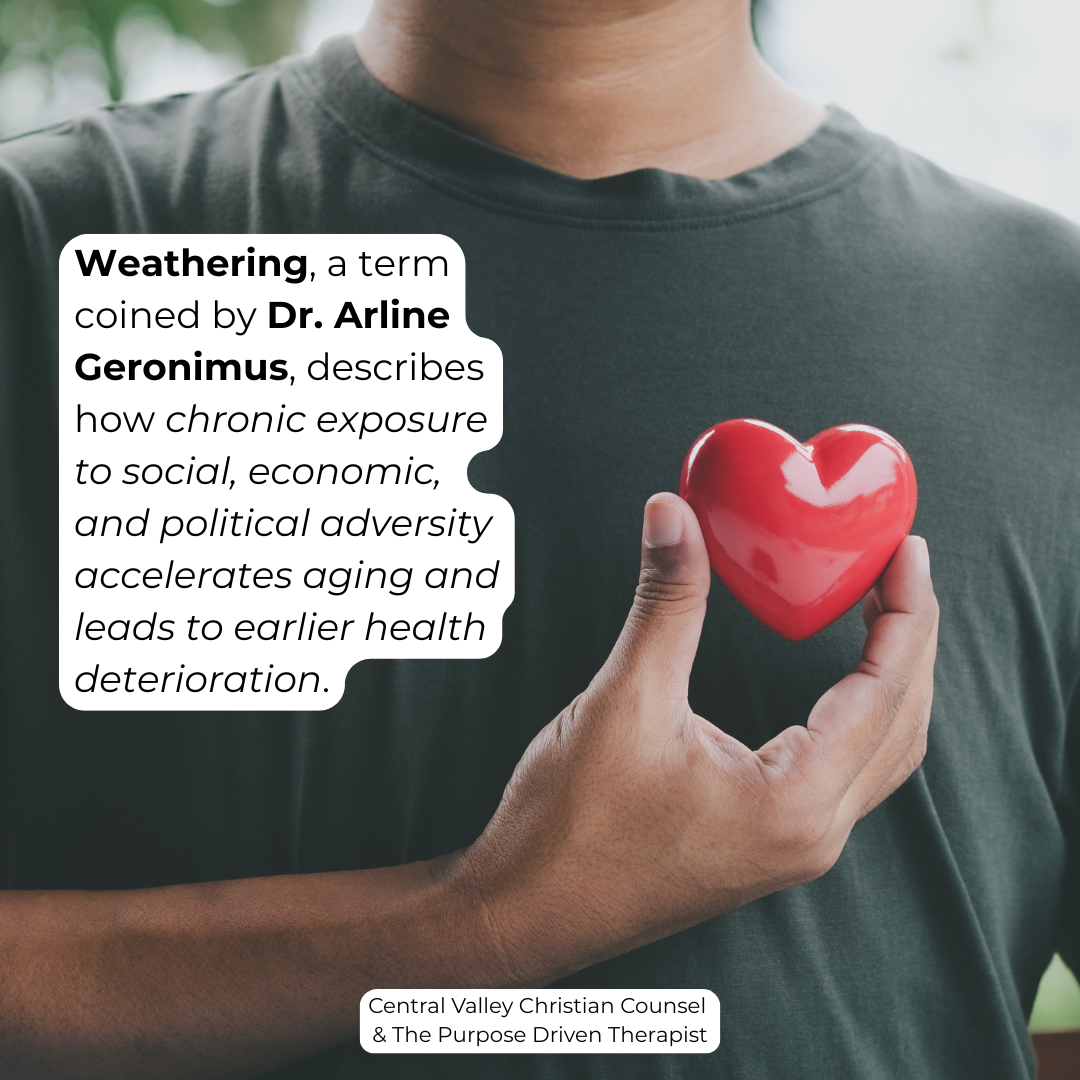
Weathering, a term coined by Dr. Arline Geronimus, describes how chronic exposure to social, economic, and political adversity accelerates aging and leads to earlier health deterioration.
Key statistics:
Only 37.1% of Black adults and 35% of Hispanic adults with any mental illness received treatment in 2020, compared to 52% of white adults (SAMHSA, 2021).
Chronic conditions such as hypertension, diabetes, and heart disease are significantly more prevalent among BIPOC communities, often linked to sustained stress and inequities.
Highlighting cultural strengths is equally important. Community ties, spirituality, resilience, and ancestral practices serve as protective factors that promote healing and well-being.
Authors like Bassey Ikpi (“I'm Telling the Truth, but I'm Lying”) and Mary-Frances Winters (“Black Fatigue”) beautifully capture the lived experiences of navigating mental and physical health as BIPOC individuals.
The Benefits of Mental Health Care on Physical Well-being
Investing in mental health care has transformative effects on physical health. Individuals who seek therapy, engage in stress-reduction practices, and build emotional resilience often report:
Improved sleep quality
Reduced chronic pain and inflammation
Strengthened immune function
Increased energy and vitality
Mind-body interventions like cognitive-behavioral therapy (CBT), mindfulness meditation, yoga, and expressive therapies not only alleviate emotional distress but also lead to measurable physical improvements.

Proactive Recommendations to Support Mental & Physical Health
Move Your Body: Incorporate daily movement, such as walking, yoga, or stretching.
Practice Mindfulness: Meditation, breathwork, or journaling can help regulate the nervous system.
Prioritize Rest: Ensure adequate sleep and listen to your body's needs.
Nourish Yourself: Stay hydrated and aim for balanced, nutritious meals.
Seek Professional Support: Therapy, coaching, and regular check-ins with primary care providers create a strong foundation.
Taking small, consistent steps can lead to profound, lasting change.

Recommended Readings on the Mind-Body Connection
The Body Keeps the Score by Bessel van der Kolk
The Deepest Well: Healing the Long-Term Effects of Childhood Adversity by Dr. Nadine Burke Harris
Spark: The Revolutionary New Science of Exercise and the Brain by John J. Ratey
Black Fatigue: How Racism Erodes the Mind, Body, and Spirit by Mary-Frances Winters
I'm Telling the Truth, but I'm Lying by Bassey Ikpi
Bold. Black. & Becoming by Dr. Abena Berry
These resources offer deeper insights into the complex relationship between mental and physical health across diverse experiences.
🌿 Mental Health Check-In 🌿
May is Mental Health Awareness Month—a perfect time to tune into how your mental and physical health are connected.
Feeling off physically? It might be your mind asking for attention.
✅ Book a physical and mental health appointment.
✅ Move your body today in a way that feels good—walk, stretch, or dance.
✅ Reach out to a therapist like Jamal or explore our Referral Network for support.
🧠 Healing your mind can heal your body. You deserve care in both.
Conclusion
Mental health is physical health. The two are inseparable, intricately woven together in every breath, every heartbeat, and every step we take. As we honor Mental Health Awareness Month this May, let’s commit to listening to our bodies, nurturing our minds, and seeking the care we deserve.
Healing is not only possible; it is our right. Whether it’s a therapy session with Jamal, finding a trusted provider through CVCC's referral network, or simply taking a mindful walk in the sun, every act of self-care matters.
Your journey to wellness is a journey to wholeness. And it begins with one courageous step.
