
Mind Over Media: How to Stay Informed and Mentally Well

Introduction
In today’s fast-paced world, the news is always at our fingertips—on our phones, televisions, and social feeds. While staying informed is a critical part of being a responsible citizen, especially in an election year or during periods of social unrest, consuming too much news, especially emotionally charged or distressing content - can significantly impact our mental health. So how do we stay aware without becoming overwhelmed?
In this blog, we’ll examine the mental health effects of news exposure, share signs that it might be time to step back, explore how to find a healthy balance, and offer practical strategies to take care of yourself while remaining engaged.
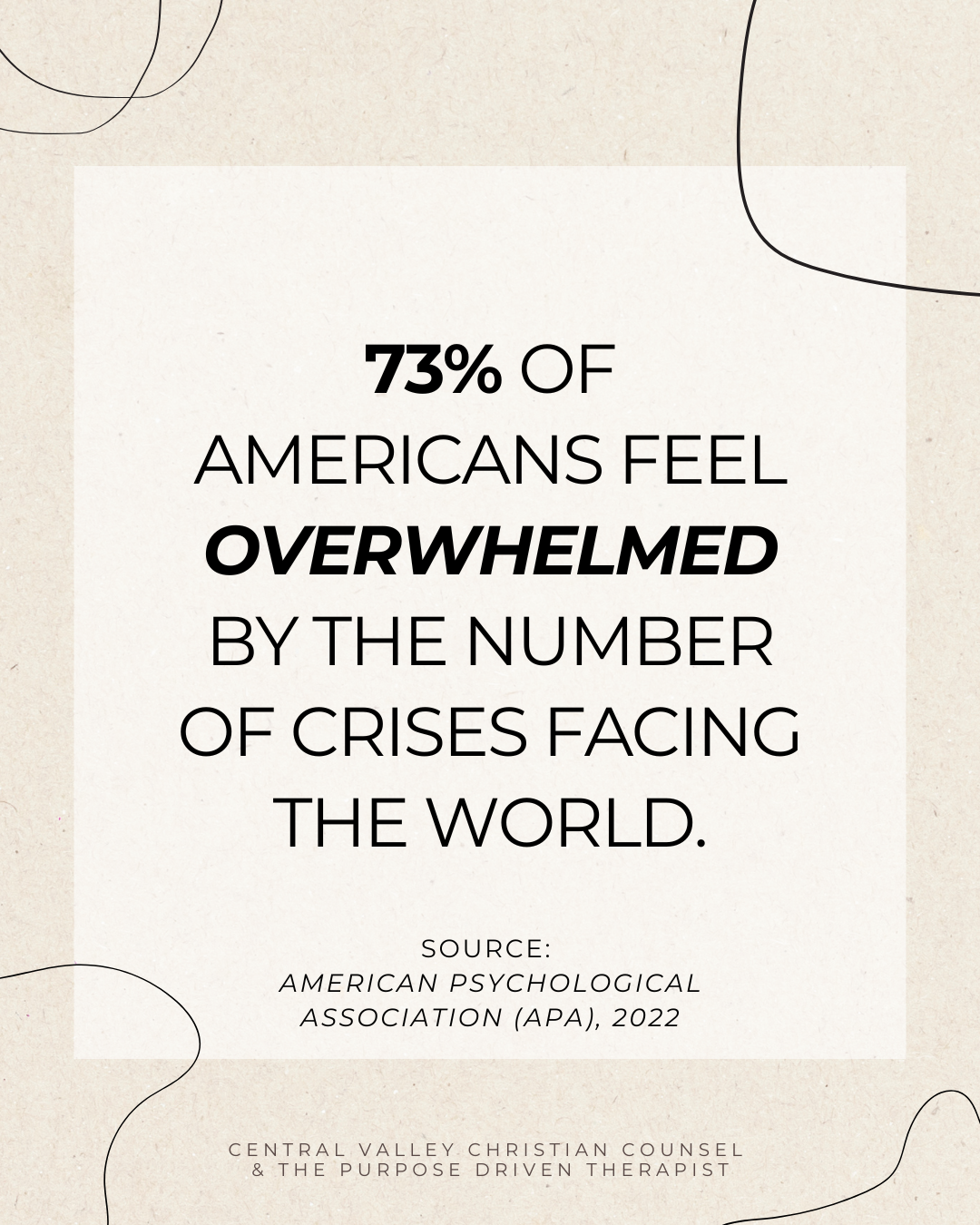
The Pitfalls: How News Overexposure Can Harm Mental Health
Here are some common issues people face when engaging too frequently or intensely with the news:
Anxiety and Depression: Studies show a correlation between high news consumption and increased anxiety or depressive symptoms. A 2022 study from Health Communication found that individuals with high levels of “problematic news consumption” were more likely to experience mental and physical health issues (McLaughlin, B. et al., 2022).
Doomscrolling: The tendency to scroll through endless negative news, often before bed, can disrupt sleep and worsen mood. This behavior reinforces a cycle of stress and helplessness.
Vicarious Trauma: Watching repeated footage of violence or injustice, especially for members of marginalized communities, can lead to symptoms similar to PTSD.
Desensitization or Numbness: When overwhelmed, some people shut down emotionally, which can interfere with empathy, motivation, and engagement.

Recognizing When to Take a Step Back
It’s important to notice when your relationship with the news is taking a toll. Consider pausing or reducing exposure if you experience:
Increased irritability, sadness, or emotional numbness
Difficulty sleeping or increased fatigue
Obsessive checking of news, especially during work or family time
Physical symptoms like headaches or stomach issues tied to stress
Feelings of helplessness or hopelessness after watching the news
Trouble focusing or withdrawing from social activities
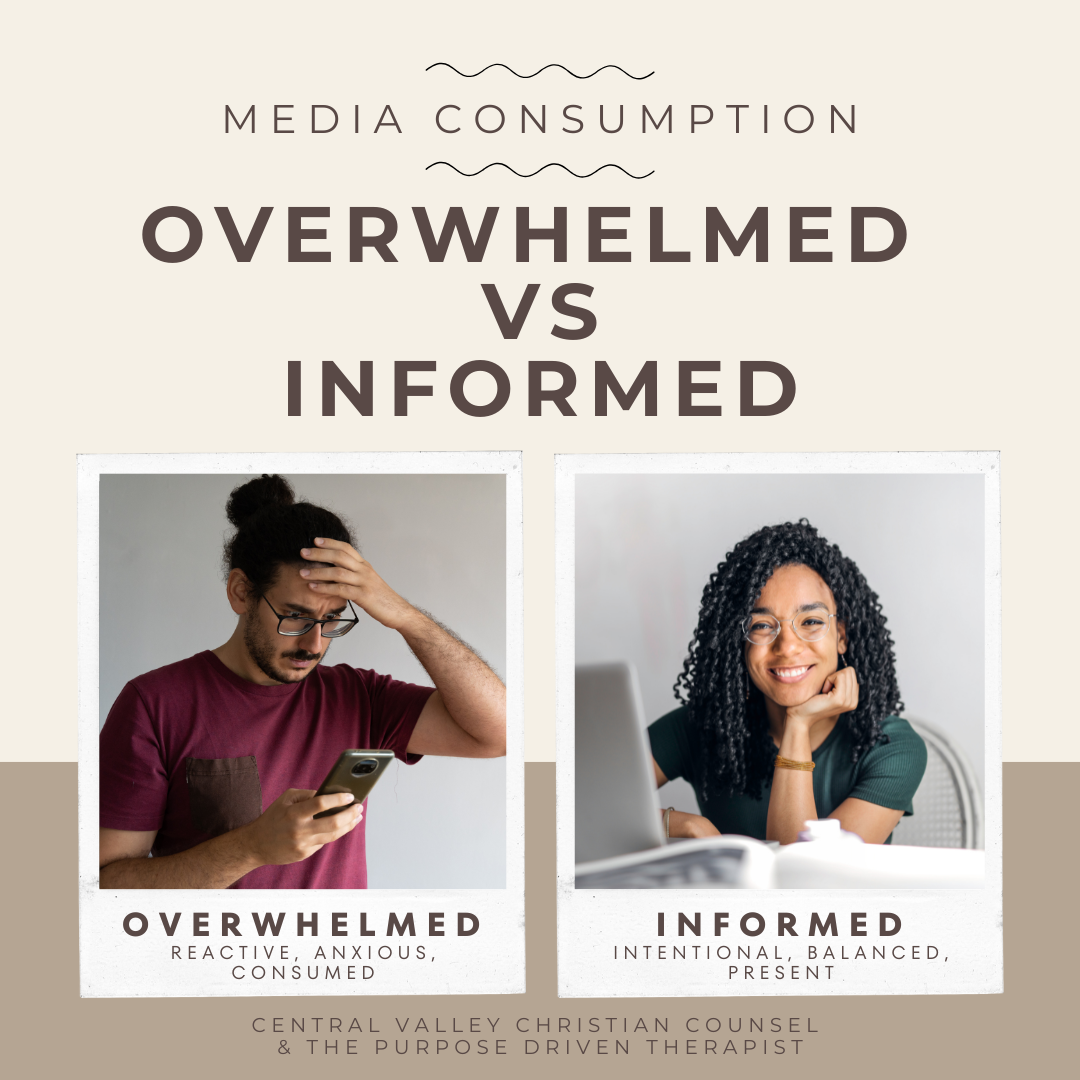
The Need for Balance: Staying Informed and Mentally Well
There’s value in being informed—understanding current events allows us to vote responsibly, advocate for justice, and contribute meaningfully to our communities. But there's also a cost. Constant exposure to divisive politics, violence, injustice, or disaster coverage can lead to anxiety, hopelessness, or emotional burnout.
So, how can we balance being aware with protecting our peace?
It starts with intention. We can consume news consciously—choosing the time, method, and source of our information—instead of absorbing it reactively throughout the day.
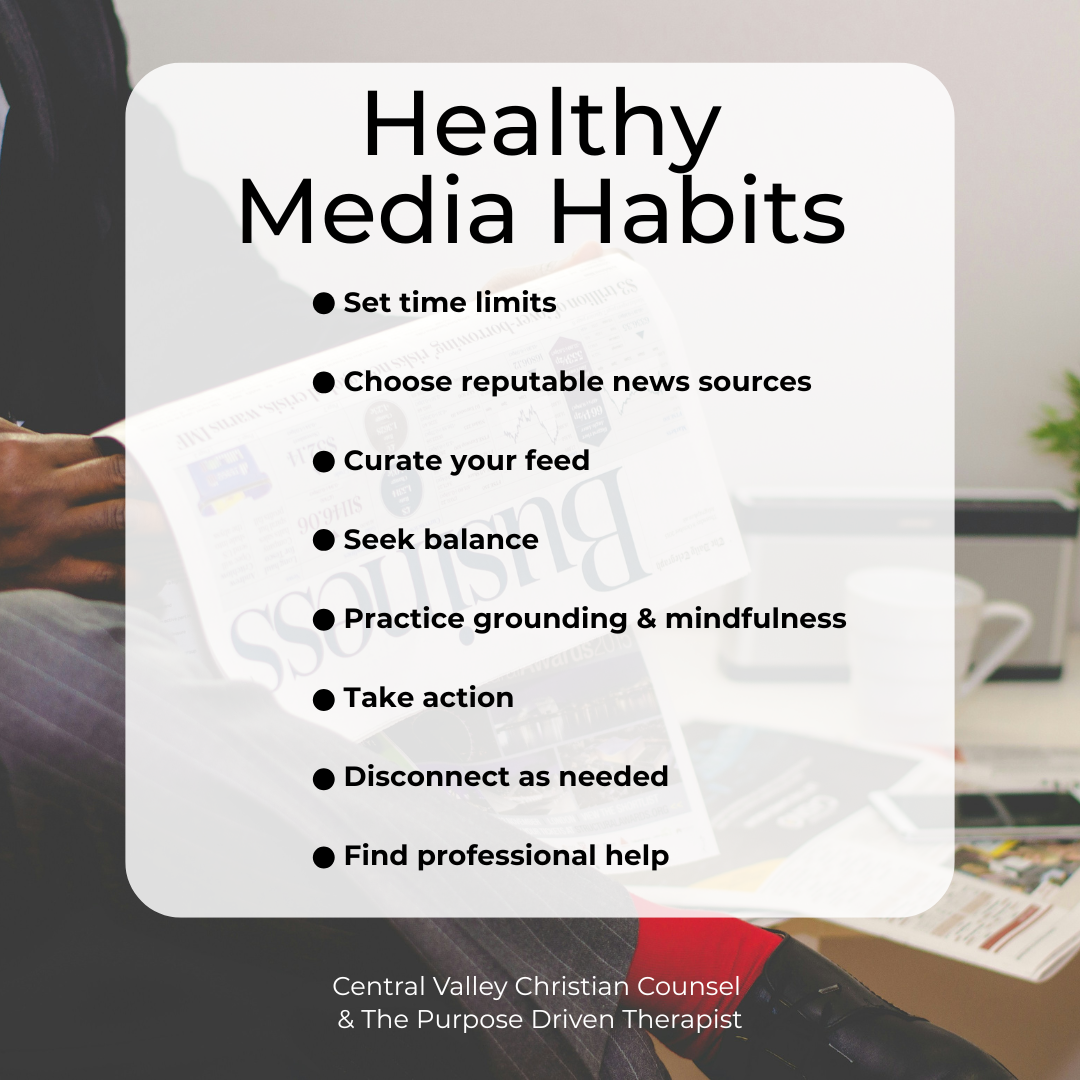
Practical Tips to Stay Informed Without Burning Out
1. Set Time Limits
Limit your news intake to certain times of the day—perhaps once in the morning and once in the evening—and avoid news consumption right before bed.
2. Choose Credible, Non-Sensational Sources
Stick to a few reputable news sources instead of constantly refreshing multiple platforms. Avoid outlets that use fear-based or inflammatory headlines.
3. Curate Your Feed
Unfollow accounts or mute hashtags that contribute to anxiety. Follow accounts that promote wellness, resilience, and factual information. Here are a few of our blogs that you might find helpful: Mindset Matters, Mind-Body Connection, & Self Care.
4. Balance Negative with Positive
Actively seek out good news or stories of community progress, healing, and justice.
5. Practice Grounding and Mindfulness
Use grounding exercises, deep breathing, or nature walks after consuming heavy news. This helps regulate your nervous system.
6. Take Action, No Matter How Small
Channel emotions into action—donate, volunteer, or advocate. Feeling empowered reduces helplessness.
7. Give Yourself Permission to Disconnect
You don’t have to watch every press conference or read every headline. Resting is not avoidance—it’s an act of resistance and self-preservation.
8. Seek Professional Support
Find a mental health professional who can assist you on your journey toward mental wellness and reclaiming balance. Check out some different support opportunities in the Ready To Take The Next Step? section below.
A Note for Marginalized Communities
If you're part of a group that is directly impacted by current events—such as Black, Indigenous, LGBTQIA+, or immigrant communities—news stories may hit especially close to home. It’s okay to feel emotionally raw. Prioritize mental health care, safe spaces, and community healing. Know that your humanity matters more than staying constantly informed.
Ready to Take the Next Step?
If you’re finding it hard to manage your mental health while staying informed, you're not alone—and you don’t have to figure it out on your own.
Here are three ways you can receive support right now:
1) One-on-One Therapy Package with Jamal
Get focused, personalized support through 15 individual therapy sessions (60 minutes each) with Jamal.
✅ Regular rate: $6,000
🎒 Back-to-School Special: $4,500 (25% off)
This option is ideal for those looking for deep, consistent work around anxiety, overwhelm, and emotional regulation in the digital age. Email us at info@centralvalleychristiancounsel.com to lock in this therapy package.
2) Pay-As-You-Go Therapy Sessions
Not ready to commit to a package? No problem.
Book one-on-one sessions with Jamal at your own pace.
✅ Regular rate: $400 per 60-minute session
🎒 Back-to-School Special: $300 per session (25% off)
A flexible, accessible option if you’re looking for high-quality support tailored to your needs. Send us an email to info@centralvalleychristiancounsel.com to set up a session.
3) Need Another Option? We’ve Got You.
If these options don’t align with your current budget, we’d still love to support your journey.
Explore our trusted Referral Network of Central Valley-based therapists and counselors:
🔗 View the Referral Network
You deserve support, clarity, and peace—especially in a noisy, fast-moving world.
Feel free to contact us to schedule a consultation or ask questions about which option is best for you.

Final Thoughts: You Deserve Peace
Staying informed doesn’t mean sacrificing your mental health. By setting healthy boundaries, tuning into your body’s signals, and prioritizing rest, you can remain engaged without becoming overwhelmed.
Your mind and spirit deserve the same care you give to the world.

Sources & Further Reading:
American Psychological Association (APA) - Media Overload
Ways to manage headline stress.
American Psychological Association (APA) – Stress in America Reports
https://www.apa.org/news/press/releases/stress
Research-backed insights into how media, politics, and global events affect mental well-being.
Huff C. - Managing Headline Stress
Media overload is hurting our mental health: here are ways to manage headline stress.
Monitor on Psychology. 2022;53(8):20.
McLaughlin, B., Gotlieb, M. R., & Mills, D. J. (2022). Caught in a Dangerous World: Problematic News Consumption and Its Relationship to Mental and Physical Ill-Being. Health Communication, 38(12), 2687–2697. https://doi.org/10.1080/10410236.2022.2106086
Pew Research Center – Journalism & Media
https://www.pewresearch.org/journalism/
Regularly updated statistics on news consumption, media trends, and public opinion.
Psychiatric Health - Media Excess & Mental Health
https://www.psychiatrictimes.com/view/media-excess-mental-health
